
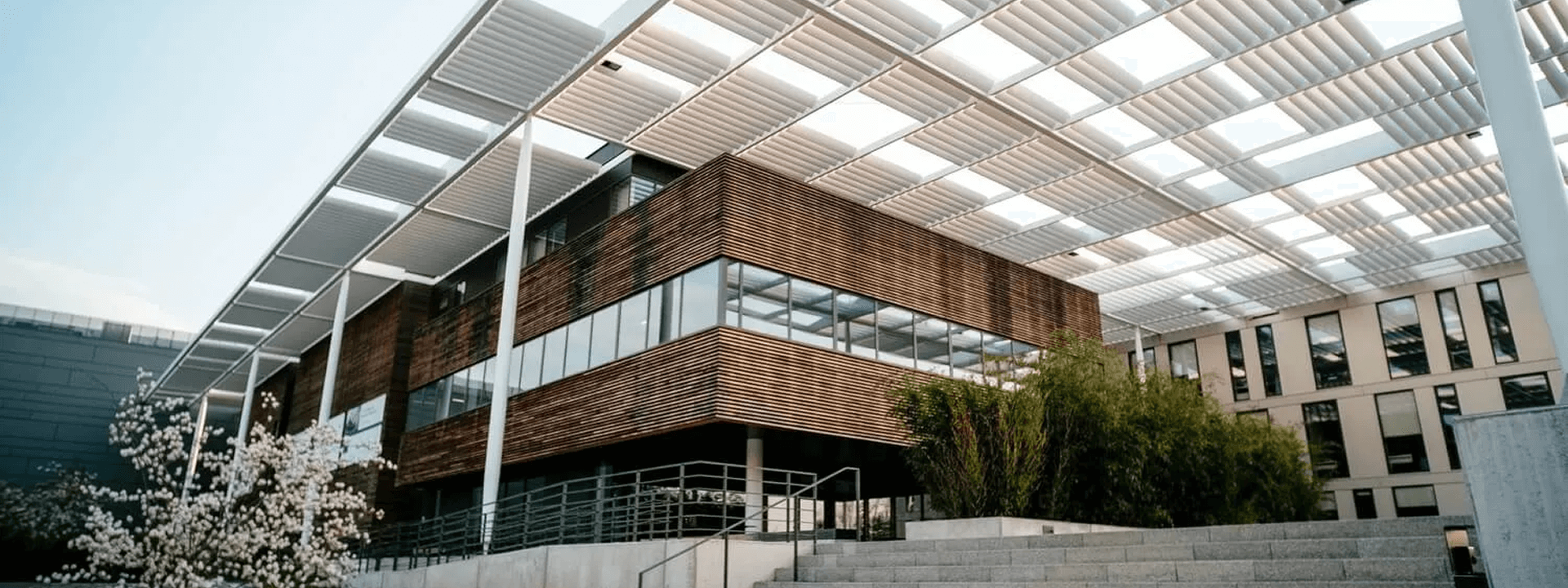
Real estate is more than land and structures—it is the culmination of design, planning, and human experience. Architecture and urban design don’t just shape skylines; they shape property values, rental yields, and investor confidence. Every decision—from building orientation to neighborhood planning—has a direct effect on the desirability and profitability of real estate.
Highlights:
- Architecture Defines Perceived Value :- Architecture plays a vital role in how real estate is perceived and valued. A property’s façade, materials, and overall design create the first impression, signaling quality, prestige, and exclusivity. Beyond appearances, smart layouts with natural light, ventilation, and adaptable spaces enhance usability and long-term resilience in the market. Modern buyers also prioritize sustainability, making features like solar panels, green walls, and energy-efficient systems strong value drivers. Iconic design elements—such as double-height lobbies or rooftop gardens—help properties stand out, while high-quality finishes inspire confidence in durability. Together, these aspects ensure architecture remains one of the most powerful determinants of demand, marketability, and investment value.
- Urban Design Shapes Investment Potential :- Urban design influences not just the look of a city but also the profitability of its real estate. Well-planned connectivity through roads, metros, and airports boosts accessibility, while integrated public spaces, parks, schools, and shopping hubs increase livability and demand. Mixed-use neighborhoods bring balance, combining residential, commercial, and recreational areas that sustain activity and economic growth. Walkable, pedestrian-friendly streets encourage community life and add long-term appeal, while thoughtful lighting and vibrant nightscapes improve safety and desirability. For investors, neighborhoods with sustainable planning, future infrastructure, and growth corridors promise steady appreciation, making urban design a key predictor of ROI.
- Place-Making and Community Value :- The strength of a community often determines the success of real estate, and good design fosters belonging, interaction, and pride. Spaces like plazas, courtyards, and rooftop lounges encourage social connections, while active street fronts with cafés and shops bring life and safety to neighborhoods. Thoughtful design that integrates lighting, sightlines, and accessible public areas reduces crime and enhances comfort, encouraging residents to stay longer. Architecture that reflects cultural identity builds emotional attachment, increasing property upkeep and long-term loyalty. Communities designed with these principles experience reduced vacancy, higher stability, and greater demand, turning real estate into more than a structure—it becomes part of a thriving lifestyle.
- Future-Proofing Real Estate Through Design :- As lifestyles, technology, and climate conditions evolve, future-proofing real estate through architecture and urban planning is essential. Flexible and modular buildings that adapt to changing needs, such as work-from-home setups or co-living spaces, remain relevant across decades. Climate resilience through flood management, storm-resistant materials, and heat-mitigating landscapes protects property value and lowers risk. At the same time, sustainable infrastructure—solar integration, water recycling, and smart energy systems—boosts efficiency and long-term ROI. Integration of smart technologies like IoT security, automated lighting, and connected grids ensures convenience and aligns with the future of urban living. By planning with inclusivity, sustainability, and adaptability in mind, developers secure steady appreciation and long-lasting investor confidence.
- The Investor’s Perspective : - For investors, architecture and urban design act as clear signals of profitability, resilience, and growth. High-quality design communicates durability, prestige, and modern living, reducing vacancy and attracting premium buyers or tenants. At the same time, neighborhoods with strong urban planning—mixing accessibility, amenities, safety, and vibrancy—are recognized as high-growth zones with long-term stability. Well-designed properties reduce risks through adaptable layouts, sustainable systems, and resilient materials, while walkable, active, and safe communities minimize tenant turnover. Modern investors also understand that lifestyle-focused design is key, as today’s buyers prioritize comfort, connectivity, and convenience over sheer size. In the long run, thoughtful design delivers both steady income and capital appreciation, making it a core driver of real estate success.
- Conclusion: Design as a Market Driver : - Architecture and urban design are far more than aesthetic choices—they are central to shaping demand, value, and long-term profitability in real estate. Good architecture enhances perception, livability, and durability, while intelligent urban design ensures connectivity, safety, and growth. Together, they foster thriving communities, attract investment, and future-proof neighborhoods against evolving challenges. For developers, homeowners, and investors, design is not a cost but a strategy—one that multiplies returns, reduces risks, and creates enduring value. In essence, good design isn’t just beautiful—it’s profitable.
Top